Industrial Vacuum Systems
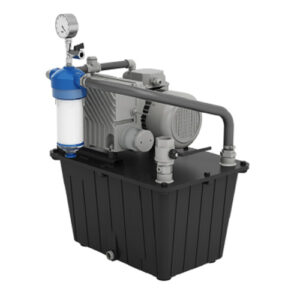
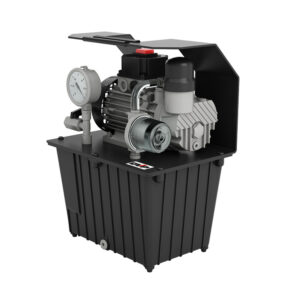
Industrial Centralised Vacuum Systems
Reliable, energy-efficient vacuum generation for multiple machines and production lines, with intelligent PLC control, automatic pump rotation and built-in redundancy.
Vacuum Pumps UK supplies industrial central vacuum systems for factories where a stable and dependable vacuum supply is essential to production.
Instead of operating a separate vacuum pump beside every machine, a centralised system creates and maintains vacuum within a receiver tank and distributes it throughout the factory through a dedicated pipework network.
The system automatically adjusts pump operation according to changing demand, reducing unnecessary energy use while helping protect production from individual pump failures and planned maintenance.
What Is a Centralised Vacuum System?
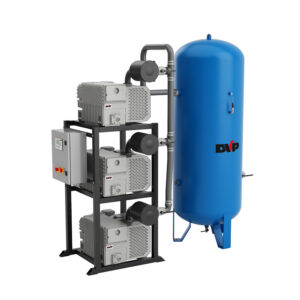
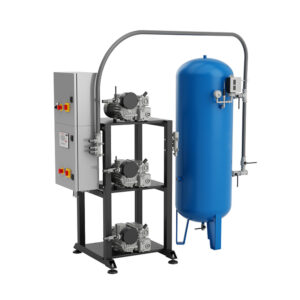
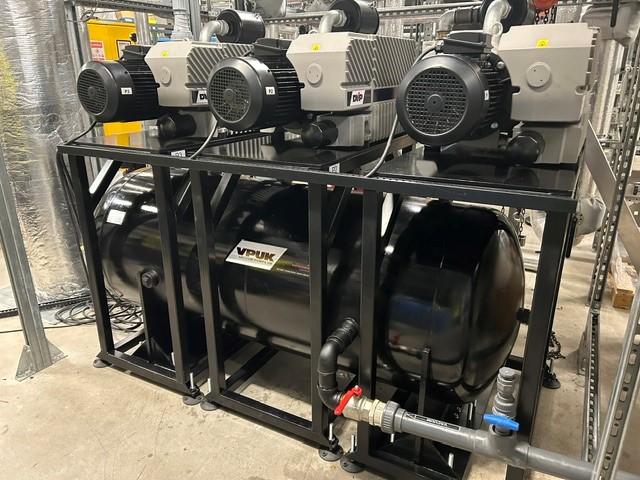
A centralised vacuum system combines multiple vacuum pumps, a vacuum receiver tank, control equipment, filtration and isolation components into one managed factory vacuum supply.
The system creates and stores vacuum centrally, then supplies it to individual machines, production lines or process areas through fixed pipework.
An absolute pressure sensor continuously monitors the vacuum level in the receiver. The PLC automatically starts and stops individual pumps according to actual demand, bringing additional capacity online when required and reducing pump operation during quieter periods.
Why Manufacturers Choose Central Vacuum
A correctly designed central system can improve reliability, energy efficiency, maintenance control and working conditions throughout the factory.
Built-In Redundancy
If one pump is isolated for servicing or develops a fault, the remaining pumps can automatically increase their output to maintain vacuum within the receiver and protect production.
Automatic Pump Rotation
The PLC rotates the lead pump so operating hours and wear are shared more evenly across the complete system, rather than one pump carrying most of the workload.
Demand-Based Operation
Only the number of pumps required to meet current vacuum demand are operated. Additional pumps start automatically during peak demand and stop once the receiver vacuum has recovered.
Centralised Maintenance
The pumps, filters, controls and receiver are grouped in one accessible location, making inspection, servicing and fault diagnosis easier than maintaining pumps spread around the factory.
Reduced Noise and Heat
Moving vacuum pumps away from production machinery can reduce noise and motor heat on the factory floor while improving access for maintenance engineers.
Future Expansion
The system can be designed around present requirements while allowing capacity for additional machinery, production lines or future factory expansion.
How an Intelligent Central Vacuum System Works
1. Vacuum is stored: The pumps evacuate a welded vacuum-tight receiver tank, creating reserve vacuum capacity for the connected machinery.
2. Demand is monitored: A pressure sensor continuously reports the receiver vacuum level to the PLC.
3. Capacity is adjusted: Pumps are started or stopped in stages according to the programmed vacuum limits and current factory demand.
4. Duty is shared: The controller rotates pump priority to equalise operating hours and preserve standby capacity.
Reduce the Energy Cost of Factory Vacuum
Operating a separate vacuum pump at every machine can result in multiple pumps running regardless of whether their full output is required. Compressed-air vacuum generators can also consume substantial energy because compressed air must first be produced before being converted back into vacuum.
A mechanical central vacuum system generates vacuum directly and uses intelligent pump staging to match output to actual factory demand.
• Direct mechanical vacuum generation
• Pump staging according to demand
• Reduced unnecessary running hours
• Vacuum reserve within the receiver
• More predictable maintenance
• Improved visibility of system operation
Central Vacuum Compared with Individual Pumps
DVP CPA Triplex Industrial Vacuum Systems
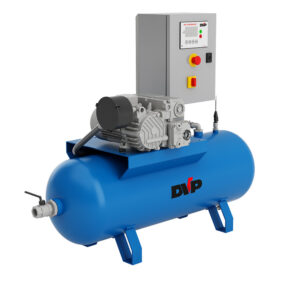
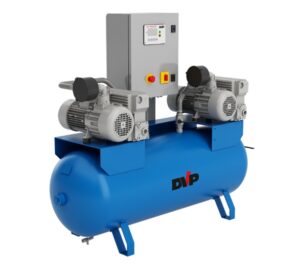
The DVP CPA Triplex combines three oil-lubricated rotary vane vacuum pumps with a vertical vacuum receiver, protective inlet filtration, individual non-return and isolation valves, an absolute pressure sensor and an intelligent PLC control panel.
The three-pump arrangement allows the system to respond to changing and peak vacuum demand while supporting automatic duty rotation, standby capacity and maintenance isolation.
Available configurations cover nominal pumping capacities from 75 to 915 m³/h, with receiver size selected according to the application and system configuration.
View CPA Triplex Specifications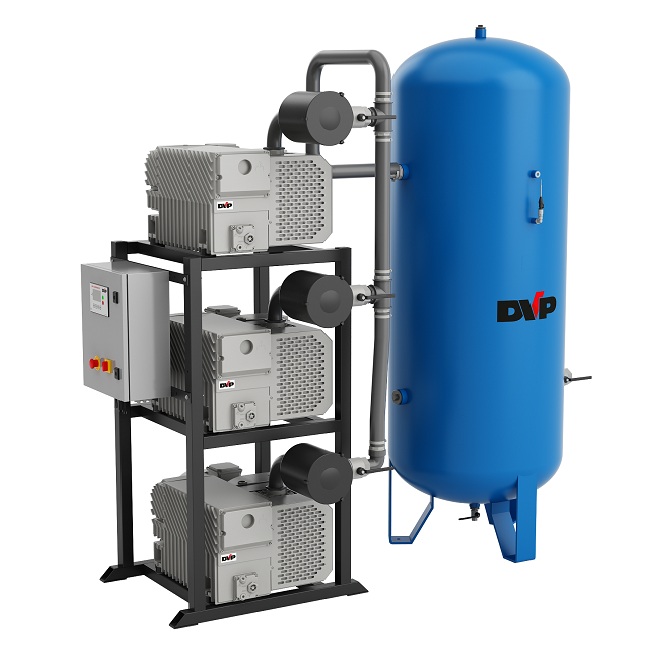
Advanced PLC Control and Remote Monitoring
The DVP CPA control system gives maintenance and production teams far greater visibility than a collection of independent vacuum pumps.
• Touchscreen PLC control panel
• Eight selectable languages
• Remote access from PC or smartphone
• Remote technical assistance
• Sensor, alarm and user log data
• Downloadable operating information
• Internal data storage
• Email alarm notifications
• Plant vacuum monitoring
• Electrical current monitoring
• Room temperature monitoring
• Optional oil and filter sensors
Selected for Demanding UK Manufacturing Facilities
DVP centralised vacuum systems supplied by Vacuum Pumps UK have been selected for use within a number of world-leading technology and manufacturing companies in the UK.
These systems support production environments where vacuum reliability, controlled operating costs, system visibility and continuity during maintenance are critical.
Typical Applications
Industrial central vacuum systems can supply multiple machines and production areas from one managed vacuum source.
• CNC vacuum holding
• Packaging machinery
• Automated handling systems
• Printing and converting
• Plastic processing
• Electronics manufacturing
• Food production
• Aerospace and engineering
• General factory vacuum supply
A Central Vacuum System Designed Around Your Factory
A central vacuum system cannot be selected reliably from pump capacity alone. The design should consider simultaneous machine demand, required vacuum level, demand peaks, leakage, pipe length and diameter, receiver volume, redundancy, ventilation and future expansion.
Vacuum Pumps UK can work with your engineering team to assess the application and identify the appropriate pump capacity, receiver size and control arrangement.
Frequently Asked Questions
What happens if one vacuum pump fails?
In a correctly sized multi-pump system, the affected pump can be stopped and isolated while the PLC calls upon the remaining available pumps to maintain vacuum within the receiver.
Can a pump be serviced without stopping production?
Yes, provided adequate remaining capacity has been designed into the system. Individual pump isolation valves allow one pump to be serviced while the others remain connected.
How does automatic pump rotation work?
The PLC changes the order in which the pumps are called to operate, helping share operating hours and wear more evenly across the system.
Are central vacuum systems more energy efficient?
They can be considerably more efficient where numerous individual pumps or compressed-air vacuum generators are currently used. The actual saving depends on the existing installation and demand profile.
What is the purpose of the receiver tank?
The receiver stores vacuum capacity, helps accommodate short demand peaks and allows the PLC to operate the pumps between programmed vacuum limits.
Can the system be monitored remotely?
DVP CPA systems provide internet connectivity and remote access to the PLC from a computer or smartphone, together with operating logs, alarm records and email alerts.
Speak to a Central Vacuum System Specialist
Vacuum Pumps UK can advise on vacuum demand, pumping capacity, receiver sizing, redundancy, pipework considerations and the most appropriate DVP central system for your factory.
Contact Our SpecialistsPlanning an Industrial Central Vacuum System?
Speak to our vacuum specialists for advice on replacing multiple pumps, reducing compressed-air vacuum use, planning factory expansion or installing a completely new central vacuum supply.